Tournament Window
Opens2026June 11
Tournament Window
Tournament Window
Format
Hosts
News Desk
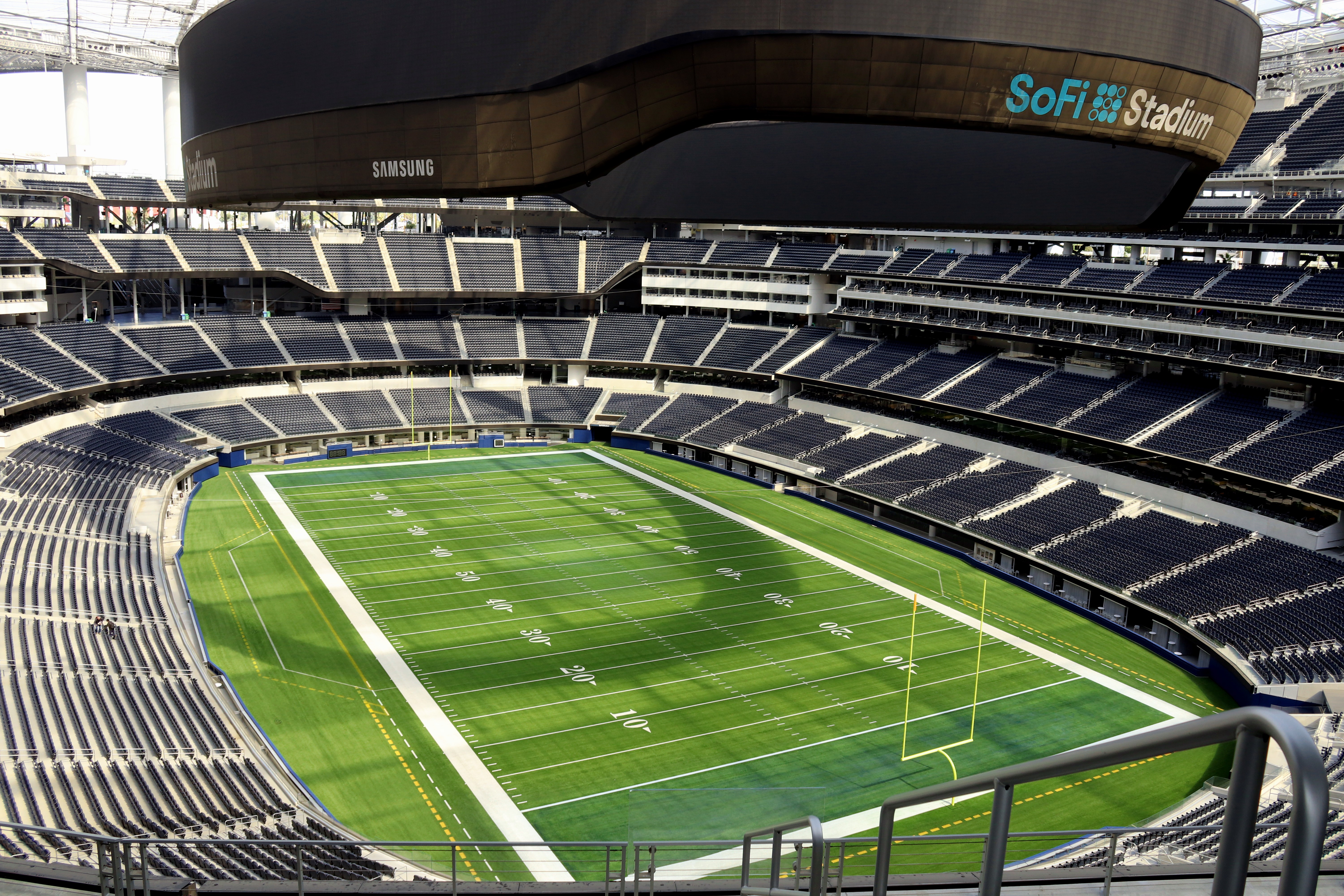
This desk now uses public tournament information and reusable venue photography, so it reads more like a real sports site and less like a design prototype.
Photo: SoFi Stadium by Thank You (21 Millions+) views, via Wikimedia Commons (CC BY 2.0).
Live Index
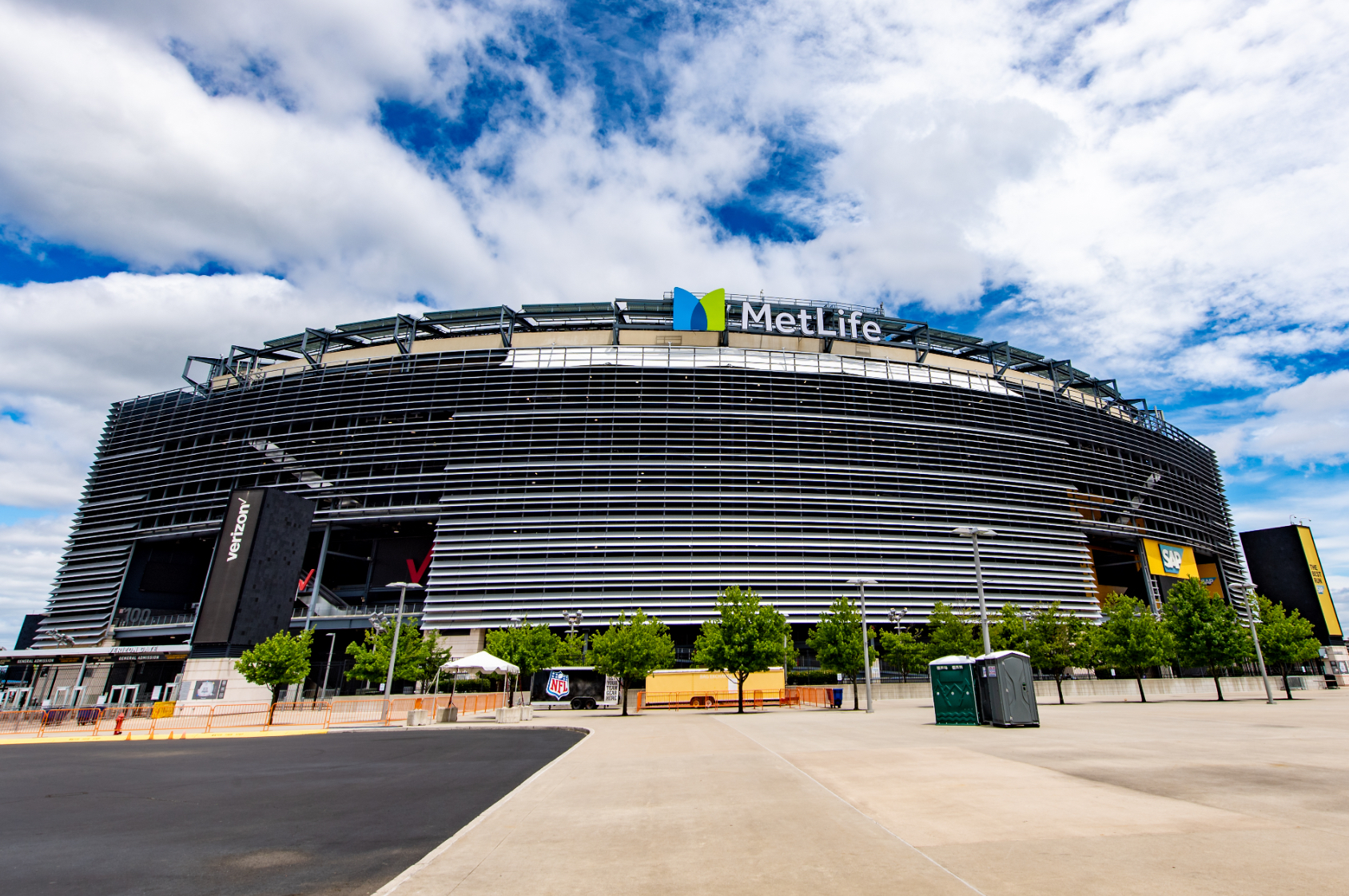
Official dates, 48 teams, 104 matches, and a 16-city footprint make venue and schedule coverage part of the main tournament story right now.
Open feature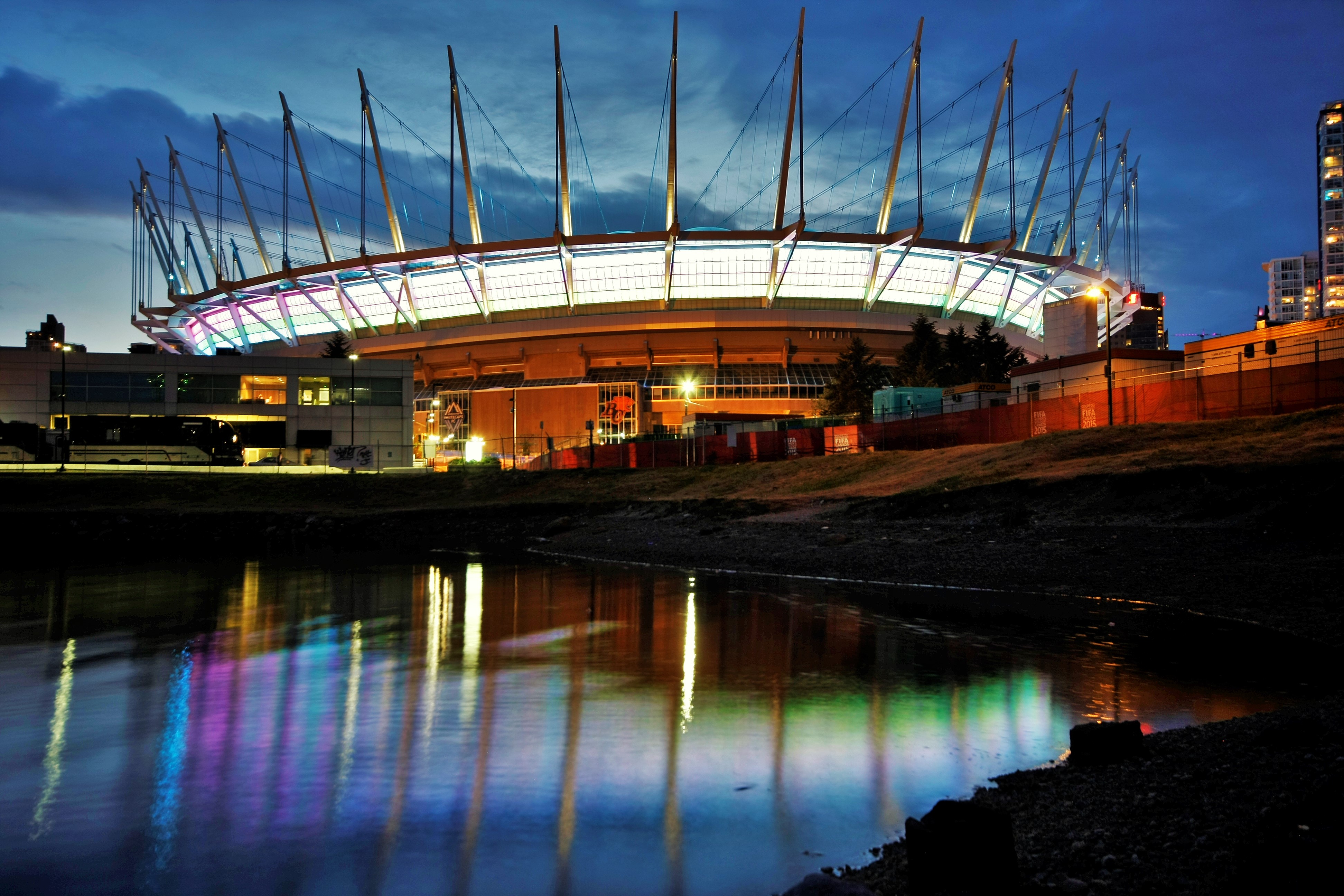
That timeline rewards recurring formats more than isolated splash stories.
Readers need city files, atmosphere notes, and travel context well before matchday.
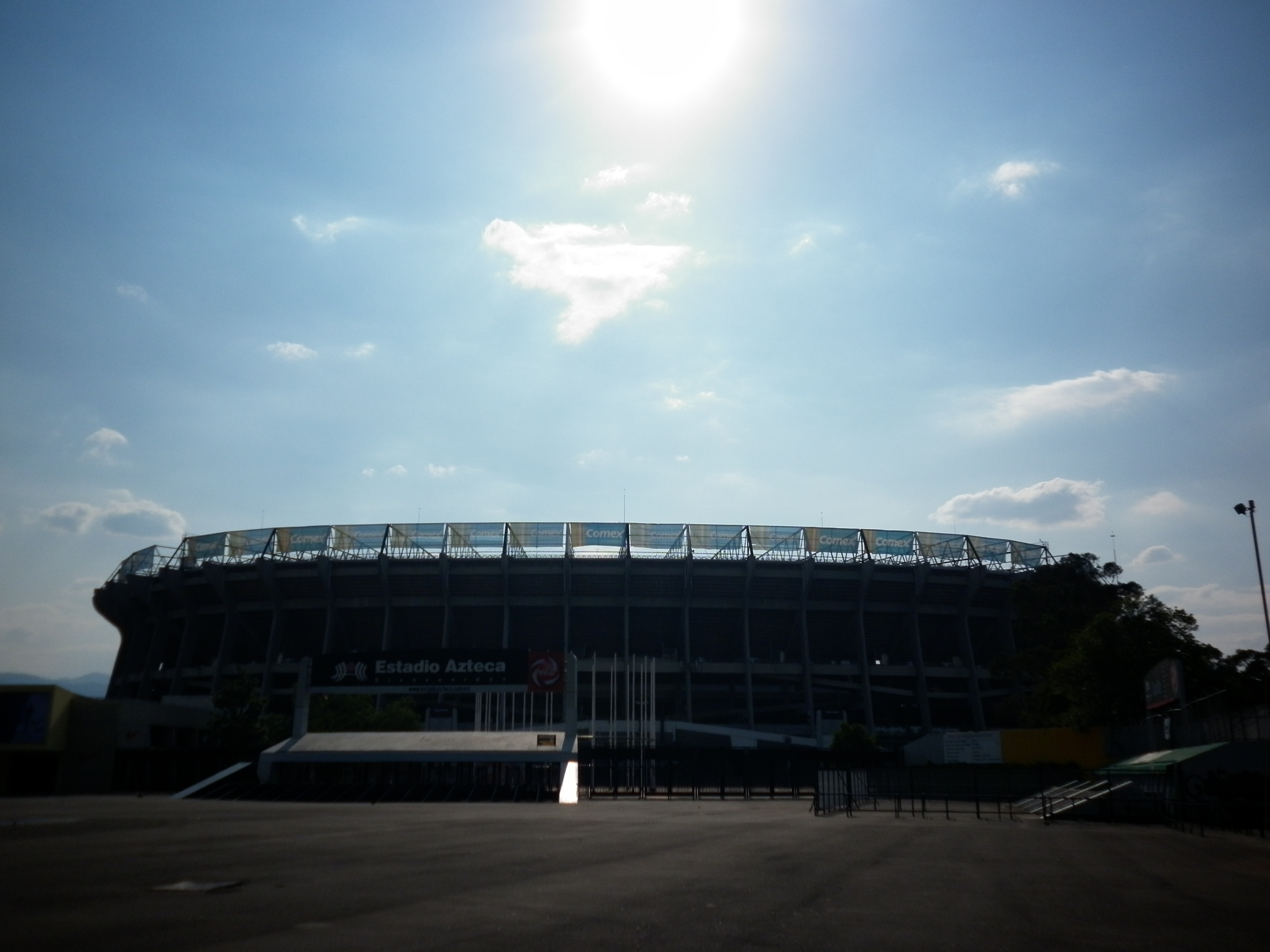
A serious front page should help people understand the shape of the tournament quickly.
More Coverage
Service-led host-city coverage wins when travel, stadium access, and regional routing are treated as core reader questions.
Ticket timing, preparation, and update cycles create one of the strongest recurring search formats in the whole build-up.
This is the kind of team page that stays useful long before roster deadlines tighten.
Search Hubs
Hub
Venue files, city planning pages, and supporter-routing explainers built for durable search intent.
Hub
A search-first ticket hub for timing, planning, and preparation questions that keep coming back.
Hub
Calendar logic, draw timing, and rest-day context turned into an evergreen explainer cluster.
News Sections
Latest
Host Cities
Team Watch
A strong draw explainer can answer timing, seeding, and scenario questions without waiting for a single breaking-news moment.
Eligibility pages give the team desk a durable angle on how contenders are still being assembled.