Tournament Window
Opens2026June 11
Tournament Window
Tournament Window
Format
Hosts
Top Story
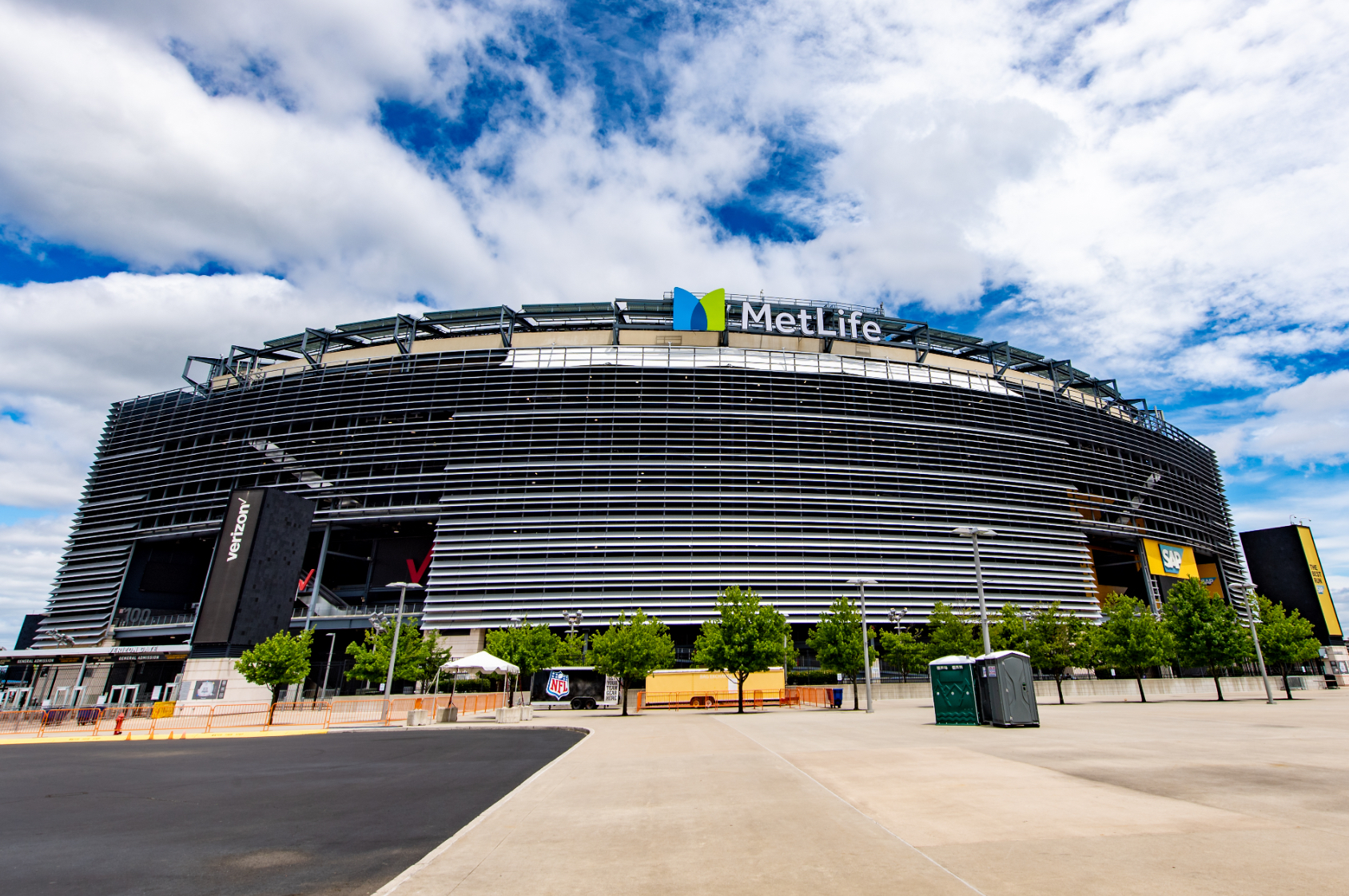
The official 2026 schedule already tells a big story: this will be the largest World Cup yet, spanning three host nations, 16 host cities, 48 teams, and 104 matches from June 11 through July 19.
Photo: MetLife Stadium 2022 by Thecoolone1223, via Wikimedia Commons (CC BY 4.0).
Front Page
Access, transport, and regional movement questions make the city more than a simple venue mention.
That shift in framing creates several durable search pages instead of a single recap post.
This is the kind of serialized team coverage that can keep readers returning before squads are final.
Market Pulse
Format Watch
Host Cities
Team Watch
Latest News
Transport, airport access, and matchday movement make Kansas City one of the clearest service-led city files to build now.
Ticket guides combine practical intent with repeat demand, which is exactly what a new site needs.
Eligibility stories give long-cycle roster coverage a cleaner editorial shape than rumor-heavy team pages.
Search Hubs
SEO Hub
Venue files, city planning pages, and supporter-routing explainers built for durable search intent.
SEO Hub
A search-first ticket hub for timing, planning, and preparation questions that keep coming back.
SEO Hub
Calendar logic, draw timing, and rest-day context turned into an evergreen explainer cluster.
Sections
Host Cities
New city-file pages make the homepage feel more serviceable and more searchable at the same time.
Briefings
They answer stable reader questions while giving the newsroom something easy to update.
Team Watch
These pages create deeper team identity hubs instead of scattering updates across shallow headlines.
Archive
That matters for internal linking, crawl paths, and repeat reading behavior.
Featured Lanes
Kansas City
Service-led host-city coverage wins when travel, stadium access, and regional routing are treated as core reader questions.
Ticket Watch
Ticket timing, preparation, and update cycles create one of the strongest recurring search formats in the whole build-up.
Contender Files
This is the kind of team page that stays useful long before roster deadlines tighten.
Draw Watch
A strong draw explainer can answer timing, seeding, and scenario questions without waiting for a single breaking-news moment.
Team Watch
Eligibility pages give the team desk a durable angle on how contenders are still being assembled.
Coverage Plan
A short daily read that turns official schedule, qualification, and venue updates into something easy to scan.
City-by-city reporting on venues, travel questions, and the practical shape of the tournament.
Repeatable team pages for contenders, injuries, coaching shifts, and watchlist storylines.
April 13, 2026
This version swaps placeholder illustrations for reusable stadium photography and rewrites the lead content around official, public tournament facts.
Next steps can keep expanding the real-content model with more city files, team notebooks, and officially sourced schedule explainers.
Start the editorial inbox