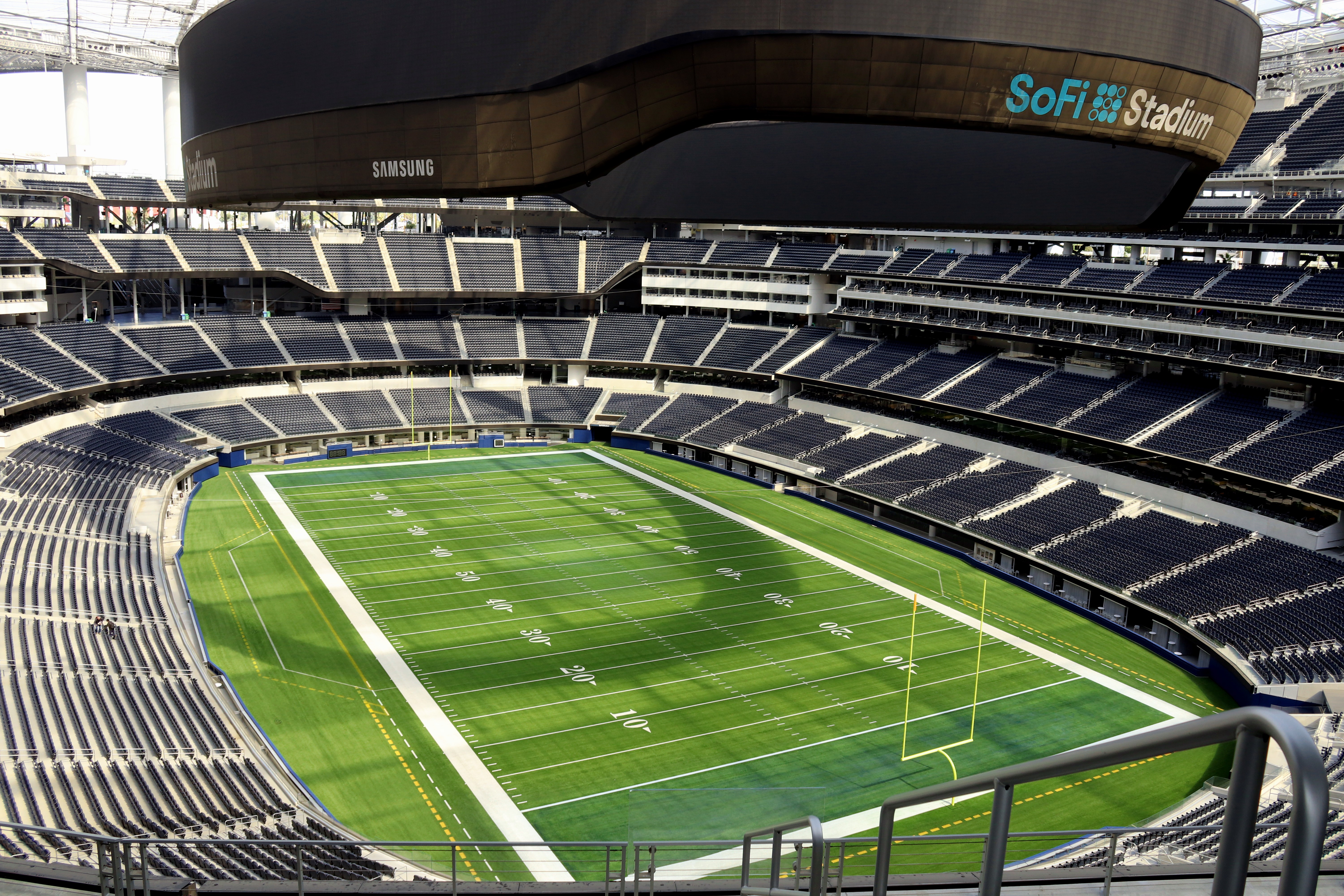
FIFA’s official host-city footprint stretches across Canada, Mexico, and the United States, creating a rare chance for a football site to organize coverage around geography from the start.
Each city can support multiple useful pages: venue files, local transport notes, supporter atmosphere, kickoff timing, and tournament-role explainers.
That kind of map-based structure helps a new site in two ways. It broadens the set of searchable pages and gives readers obvious routes from one part of the tournament to another.
For SEO, this is especially valuable because venue and city queries often carry practical intent, making them more durable than generic opinion traffic.
World Cup 2026 planning continues to be shaped by schedule logic, host-city logistics, and team preparation cycles. Keeping these topics connected helps readers compare timelines across North America, Europe, and Latin America without losing context.
For search users, practical answers matter most: when matches are played, how standings affect knockout routes, and what travel windows look like between venues. Strong editorial pages should combine official facts, clear internal links, and regularly refreshed updates.
This analysis is updated to support long-tail World Cup 2026 queries and to help readers move from a single headline into deeper explainers on fixtures, standings, teams, and tournament format.
A host-city map is not decoration. It is the site structure hidden in plain sight.