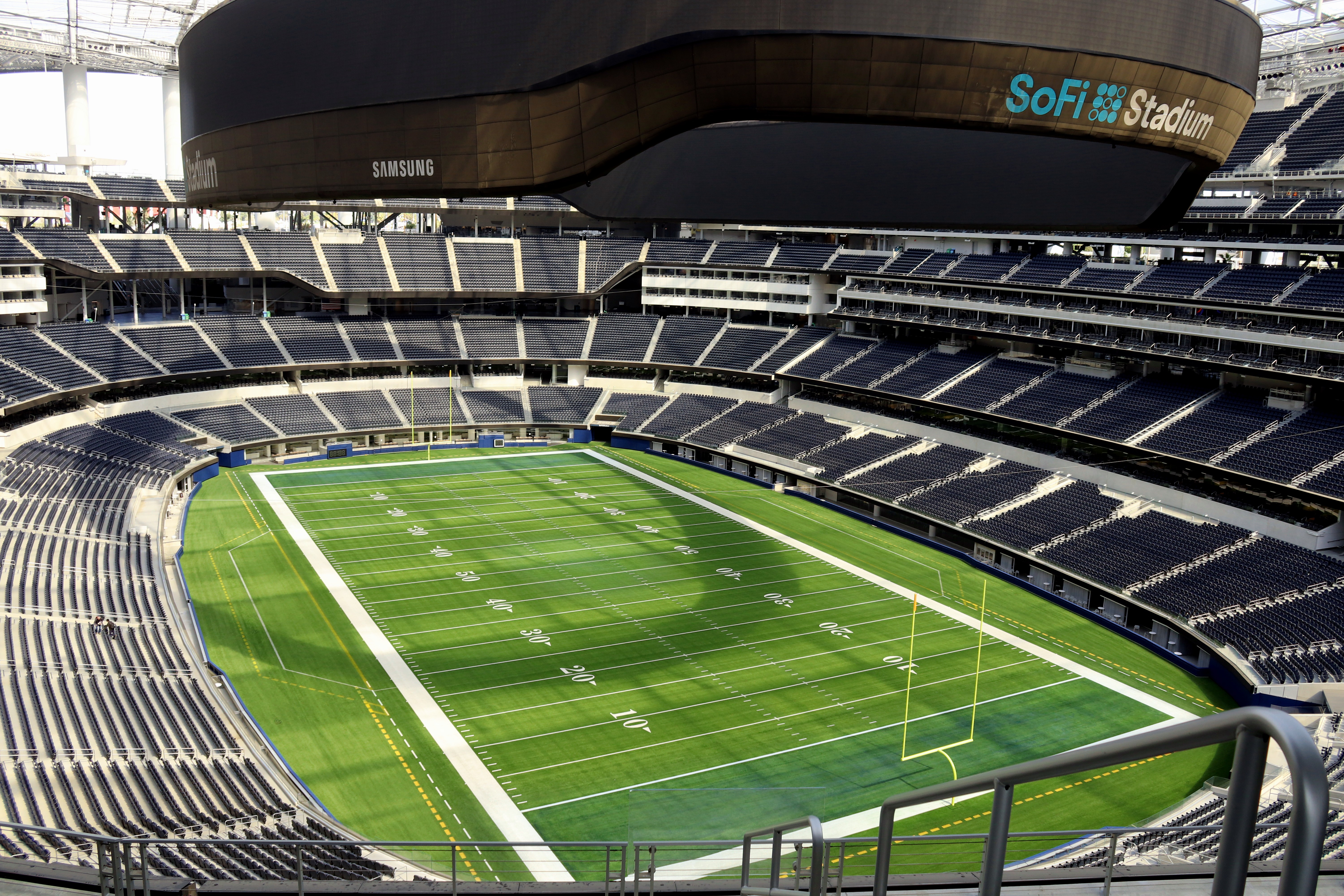
Readers do not just search host cities by name. They also search for conditions: climate, stadium environment, travel convenience, and how a venue may feel for teams and supporters.
Atlanta fits that need well because roofed-stadium discussion gives the city a distinct editorial angle within the broader United States venue map.
It also works as a regional connector story. Atlanta sits inside a part of the map where air travel, supporter movement, and match-week logistics can shape how fans plan their routes.
That combination makes Atlanta a strong example of why host-city coverage should move beyond promotional copy and toward practical venue intelligence.
World Cup 2026 planning continues to be shaped by schedule logic, host-city logistics, and team preparation cycles. Keeping these topics connected helps readers compare timelines across North America, Europe, and Latin America without losing context.
For search users, practical answers matter most: when matches are played, how standings affect knockout routes, and what travel windows look like between venues. Strong editorial pages should combine official facts, clear internal links, and regularly refreshed updates.
This analysis is updated to support long-tail World Cup 2026 queries and to help readers move from a single headline into deeper explainers on fixtures, standings, teams, and tournament format.
The best venue files explain conditions and movement, not just capacity numbers.