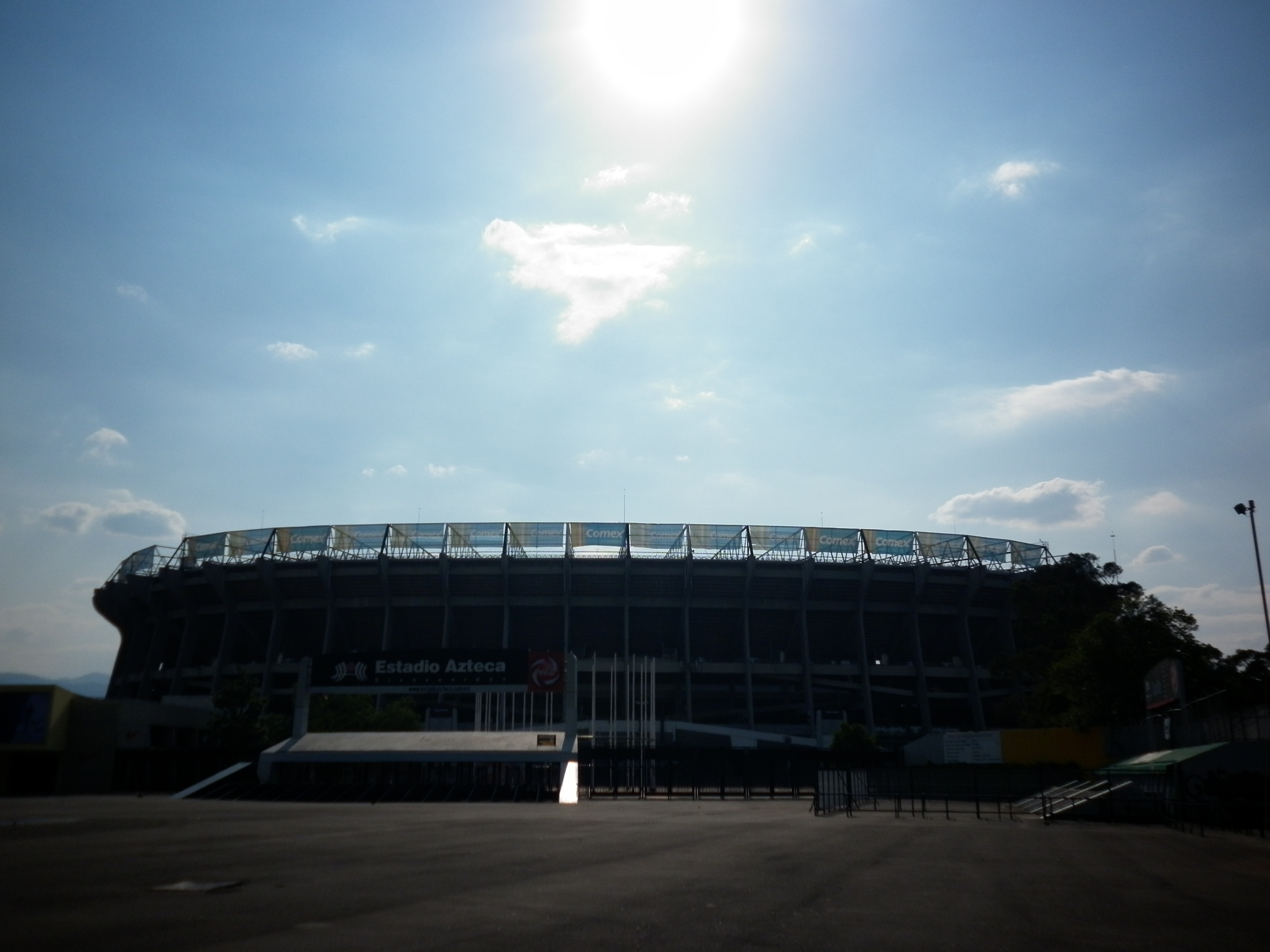
Opening cities are powerful because they combine symbol, atmosphere, and practical curiosity. Readers want to know what the venue means and how the first day of the tournament will feel.
Mexico City is especially strong in that role because it speaks to local audiences, continental audiences, and global football memory all at once.
For a site targeting search growth, that makes the Mexico City file an obvious early asset. It can rank for venue, opener, and city-context intent simultaneously.
The stronger that page becomes, the more useful it is as a bridge between service coverage and football storytelling.
World Cup 2026 planning continues to be shaped by schedule logic, host-city logistics, and team preparation cycles. Keeping these topics connected helps readers compare timelines across North America, Europe, and Latin America without losing context.
For search users, practical answers matter most: when matches are played, how standings affect knockout routes, and what travel windows look like between venues. Strong editorial pages should combine official facts, clear internal links, and regularly refreshed updates.
This analysis is updated to support long-tail World Cup 2026 queries and to help readers move from a single headline into deeper explainers on fixtures, standings, teams, and tournament format.
The opening city is where tournament atmosphere becomes tangible before kickoff.