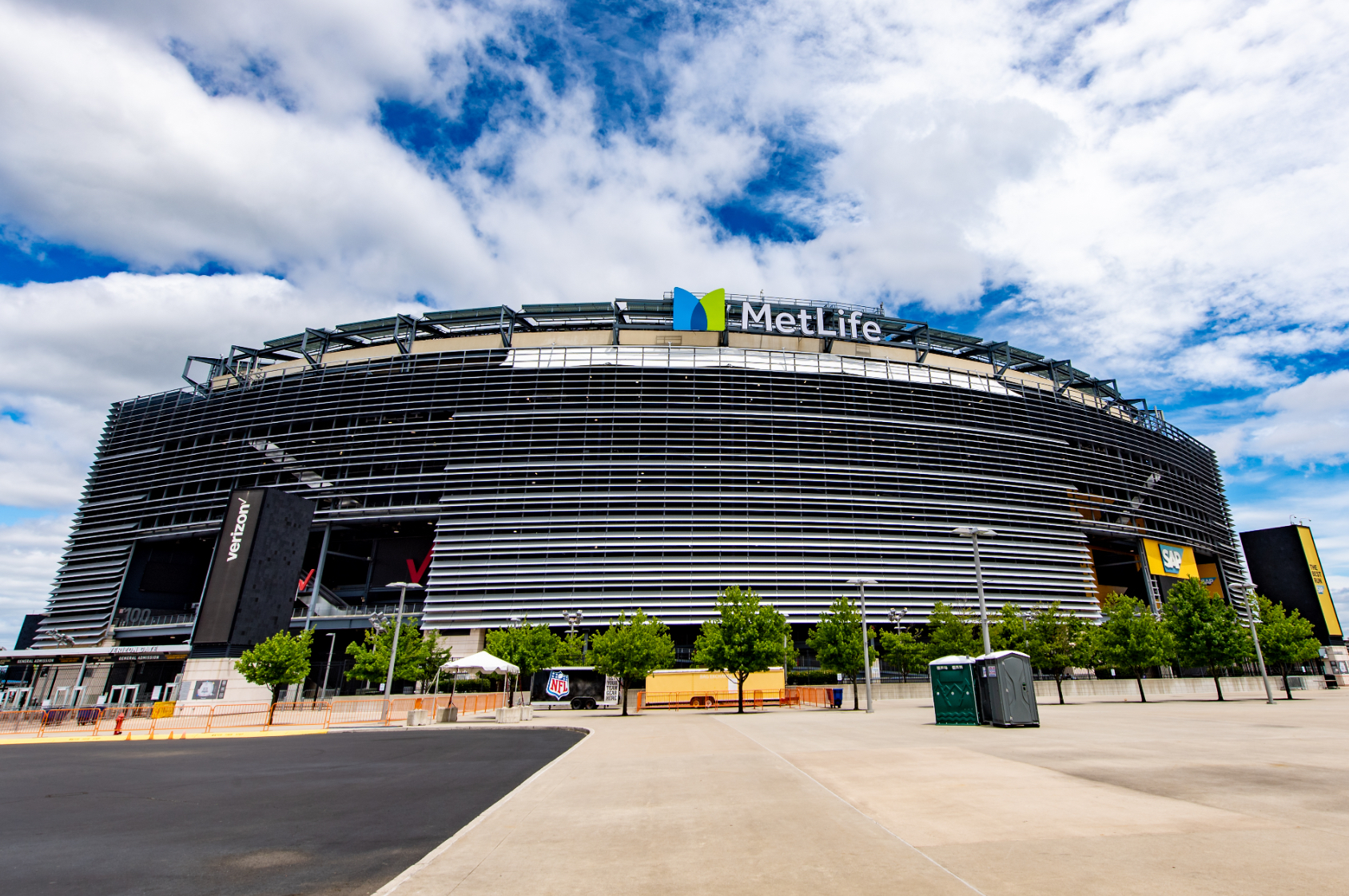
Final venues matter because they tell readers where the entire tournament is ultimately headed. That creates a narrative endpoint long before the sporting path is complete.
For a site built around 2026, that endpoint supports multiple useful content types: venue explainers, transport questions, supporter expectations, and big-stage framing.
These pages are also valuable in search because they hold interest across the whole cycle. Readers return as the event becomes more tangible and the bracket begins to narrow in their minds.
When the site makes the final venue easy to understand early, it gives readers one more stable point inside a tournament that can otherwise feel enormous.
World Cup 2026 planning continues to be shaped by schedule logic, host-city logistics, and team preparation cycles. Keeping these topics connected helps readers compare timelines across North America, Europe, and Latin America without losing context.
For search users, practical answers matter most: when matches are played, how standings affect knockout routes, and what travel windows look like between venues. Strong editorial pages should combine official facts, clear internal links, and regularly refreshed updates.
This analysis is updated to support long-tail World Cup 2026 queries and to help readers move from a single headline into deeper explainers on fixtures, standings, teams, and tournament format.
The final venue gives structure to the imagination of the tournament.