Tournament Window
Opens2026June 11
Tournament Window
Tournament Window
Format
Hosts
English Archive
Read English coverage built for World Cup 2026 search intent: fixtures planning, standings scenarios, team files, venue explainers, and matchday logistics.
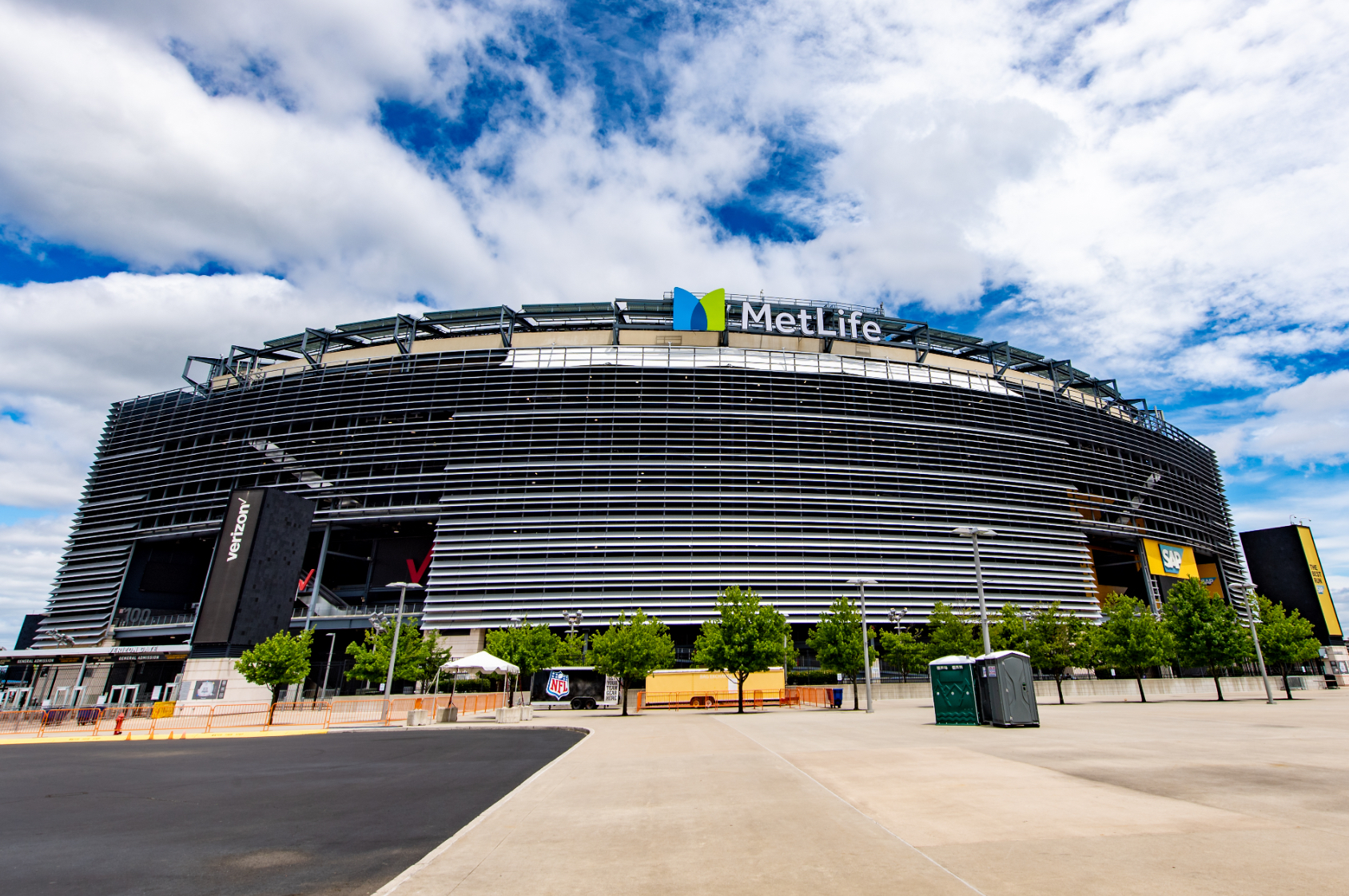
Leadership files explain continuity, pressure handling, and emotional authority across major contenders.
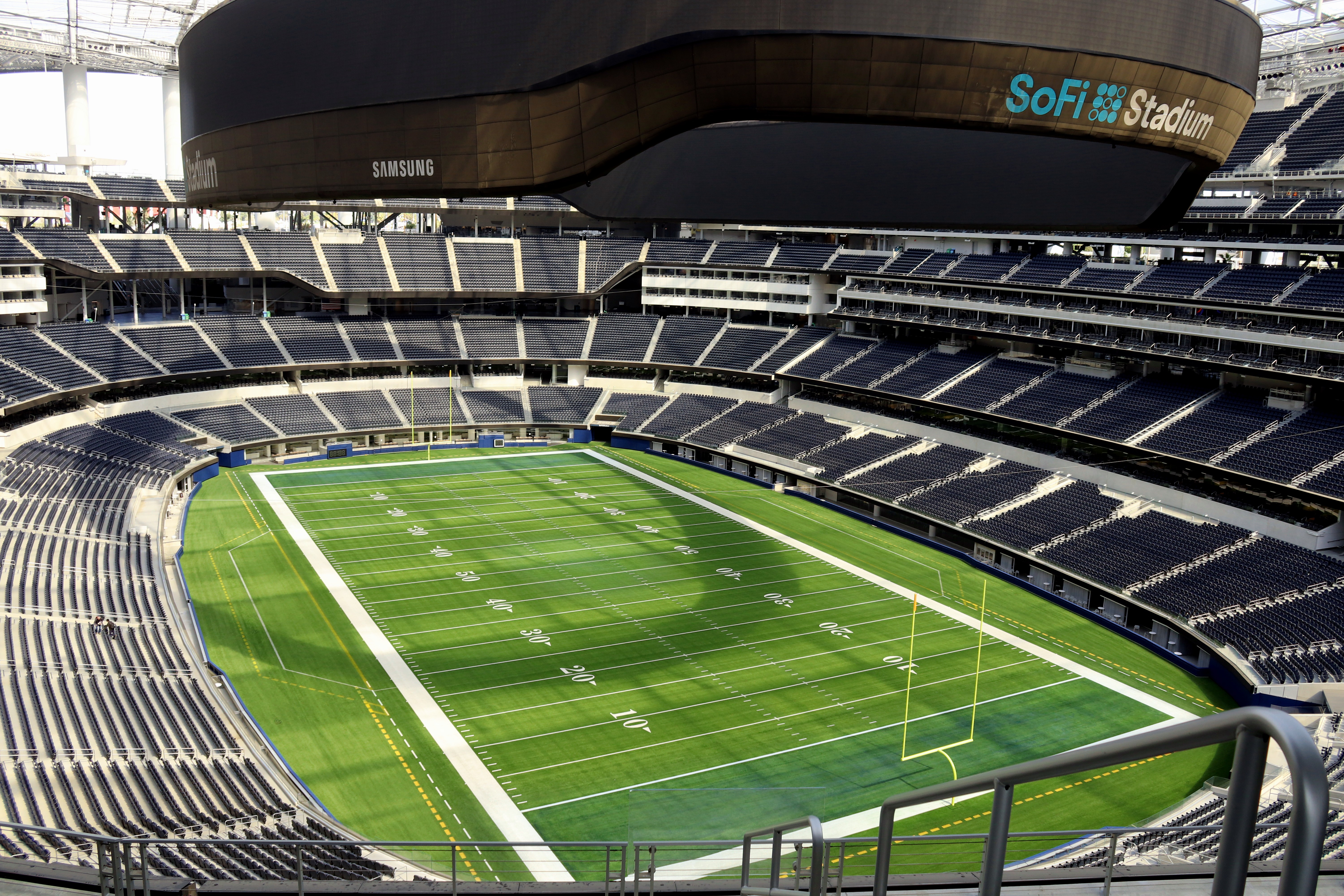
A set-piece lens gives team pages a football-first angle that remains useful even while squads and draws are still unresolved.
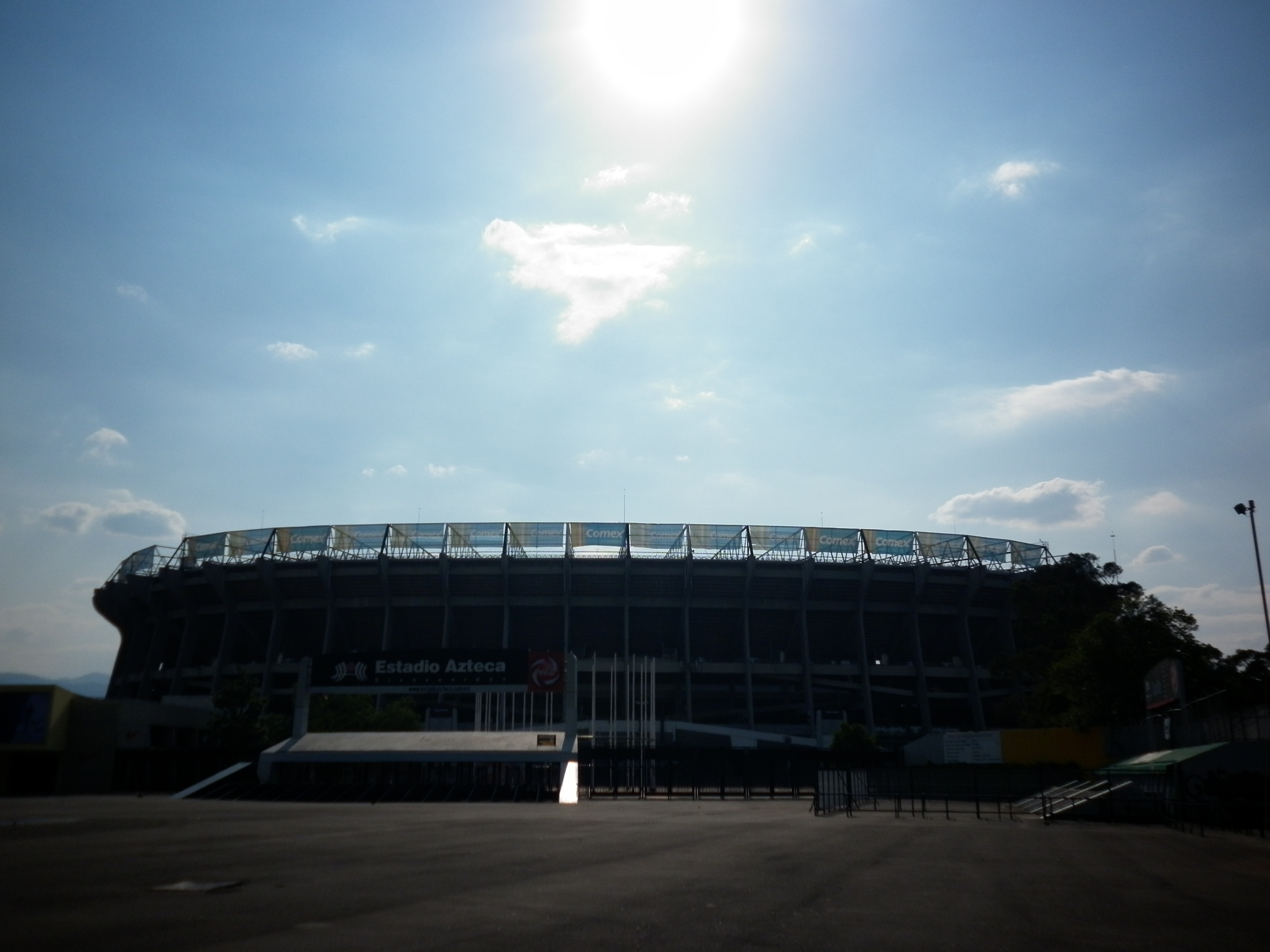
Bridge pages connect confederation qualifying updates to the bigger tournament map readers care about.
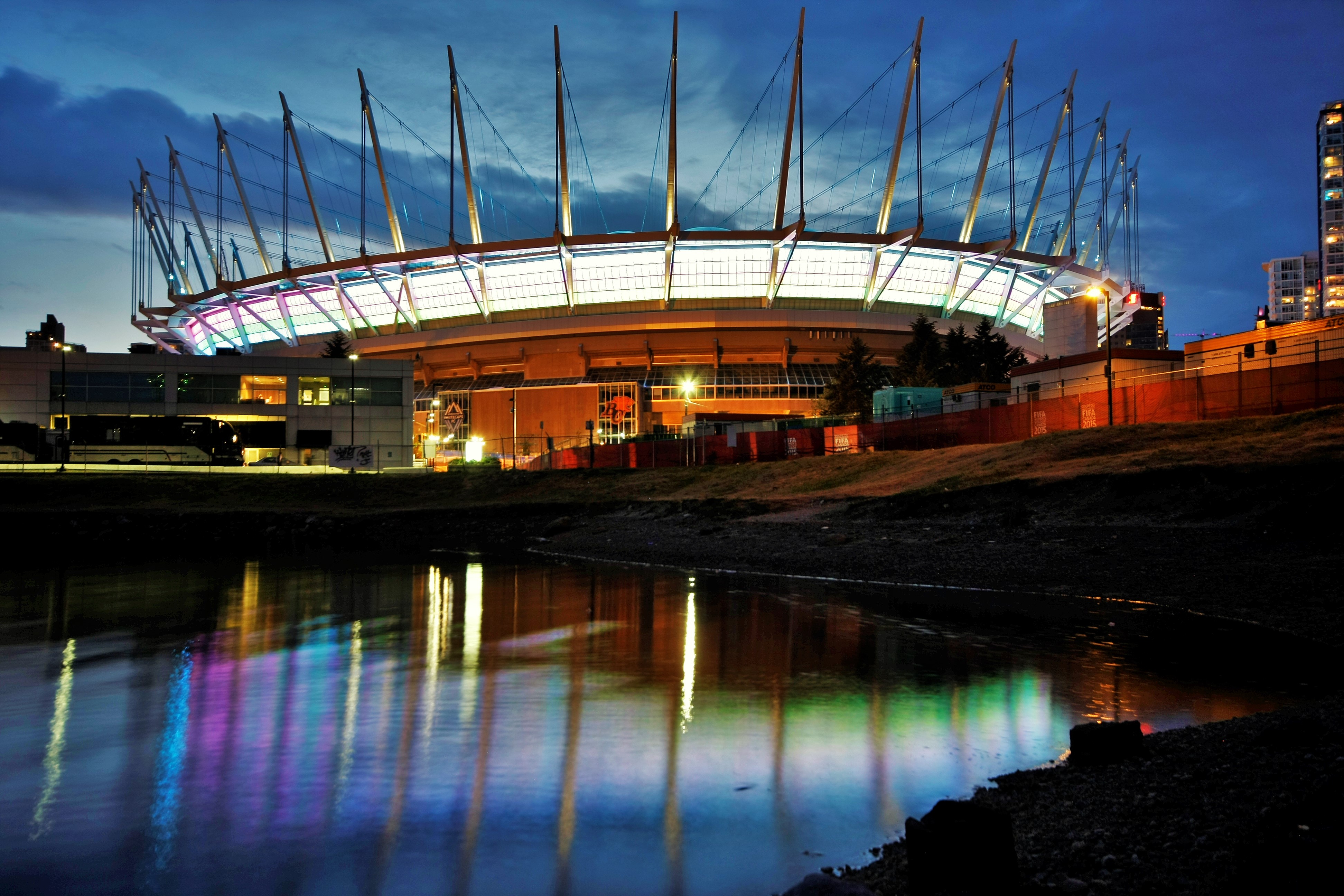
Rest-day explainers connect schedule rhythm, travel strain, and recovery context in a highly practical format.
The confirmed final venue gives the entire 2026 cycle a geographic endpoint that can anchor venue, travel, and spectacle coverage.
Eligibility decisions and recruitment battles give the team-watch desk a distinctive long-cycle editorial lane.
Age-curve analysis gives team-watch coverage a durable pre-tournament angle for major contenders.
Ticket guides combine practical intent with repeat demand, making them one of the strongest early briefing formats.
The official opener in Mexico City creates one of the clearest early search and storytelling anchors in the tournament cycle.
A strong draw page answers timing questions while also covering pots, scenarios, and what readers should monitor before the field is set.
Atlanta stands out because venue conditions and regional travel context give the city a clear editorial identity.
The full official schedule creates recurring demand around dates, venues, and structure from the first whistle to the final.
Kansas City gives the host-city desk a strong service angle built around access, movement, and supporter logistics.
The official host map gives the site a durable structure for venue files, city guides, and supporter context.
Canada’s two host cities help explain how geography, timing, and supporter logistics will shape the northern side of the tournament map.
Mexico’s broader host map creates room for multiple city-intent pages, not just one opener-driven storyline.
A cluster of eastern host cities creates natural demand for travel rhythm, kickoff timing, and supporter movement pages.
Format pages remain one of the easiest ways for a new 2026 site to capture broad-intent search traffic.
Readers do not only want the full schedule. They also want simpler pages that explain when the tournament starts to feel decisive.
A three-country tournament naturally creates timing questions, giving briefing pages a clear service role before kickoff.
The team-watch lane does not need to wait for the bracket to become useful; it can start with coaches, squads, and expectation.
Tracking managers and tactical shifts gives the site a stable angle on team identity long before final rosters settle.
Readers want recurring injury context long before final rosters are named, making health watchlists useful team pages.
Readers often search for outsider teams and surprise candidates in a way that rewards focused watch pages.
The official calendar already creates a strong English-language search asset around host cities, venue scale, and tournament logistics.
A practical guide page should connect dates, venues, and reading habits in one clear pre-tournament entry point.
A stable team-watch structure helps the site track coaches, injuries, and contenders without scattering value across isolated posts.
A strong daily briefing turns official updates, venue context, and the biggest football questions into one clear habit page.
Los Angeles helps explain how a 2026 site can combine venue logistics, supporter movement, and spectacle in one useful file.
An opening match in Mexico City gives the 2026 cycle an early focal point for atmosphere, logistics, and search intent.
Core Pages
Schedule
Match windows, rest days, and knockout path context.
Standings
Group tables, tiebreak logic, and progression scenarios.
Teams
Contenders, dark horses, and roster trend tracking.
How To Watch
Broadcast windows, time zones, and stream planning.