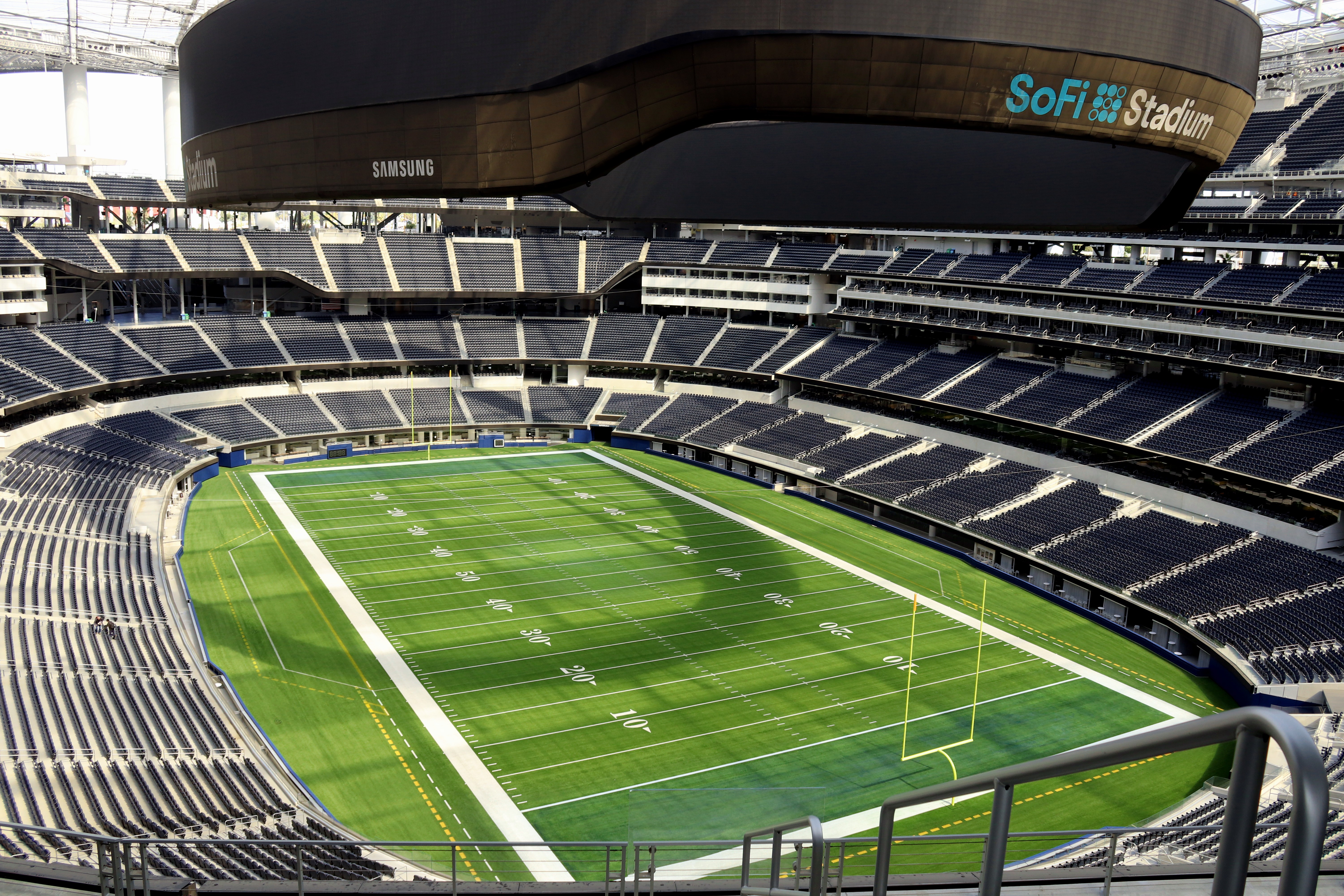
As qualification settles and contender narratives sharpen, team-watch pages become one of the simplest ways for a football site to build recurring search value. Readers return because the page stays useful as the story moves.
That format matters even more in a tournament with 48 teams. The competitive field is bigger, the timeline is longer, and audiences want a cleaner way to follow favorites, dark horses, and tactical shifts.
A serialized team-watch structure also supports internal linking. It connects articles, notebook entries, and briefing mentions around a single football entity instead of scattering that value across isolated posts.
For a site targeting North America, Latin America, and Europe, team-watch pages are one of the best ways to combine evergreen search with repeat audience behavior.
World Cup 2026 planning continues to be shaped by schedule logic, host-city logistics, and team preparation cycles. Keeping these topics connected helps readers compare timelines across North America, Europe, and Latin America without losing context.
For search users, practical answers matter most: when matches are played, how standings affect knockout routes, and what travel windows look like between venues. Strong editorial pages should combine official facts, clear internal links, and regularly refreshed updates.
This analysis is updated to support long-tail World Cup 2026 queries and to help readers move from a single headline into deeper explainers on fixtures, standings, teams, and tournament format.
The best team-watch pages do not chase every update. They organize the whole run-up to the tournament.