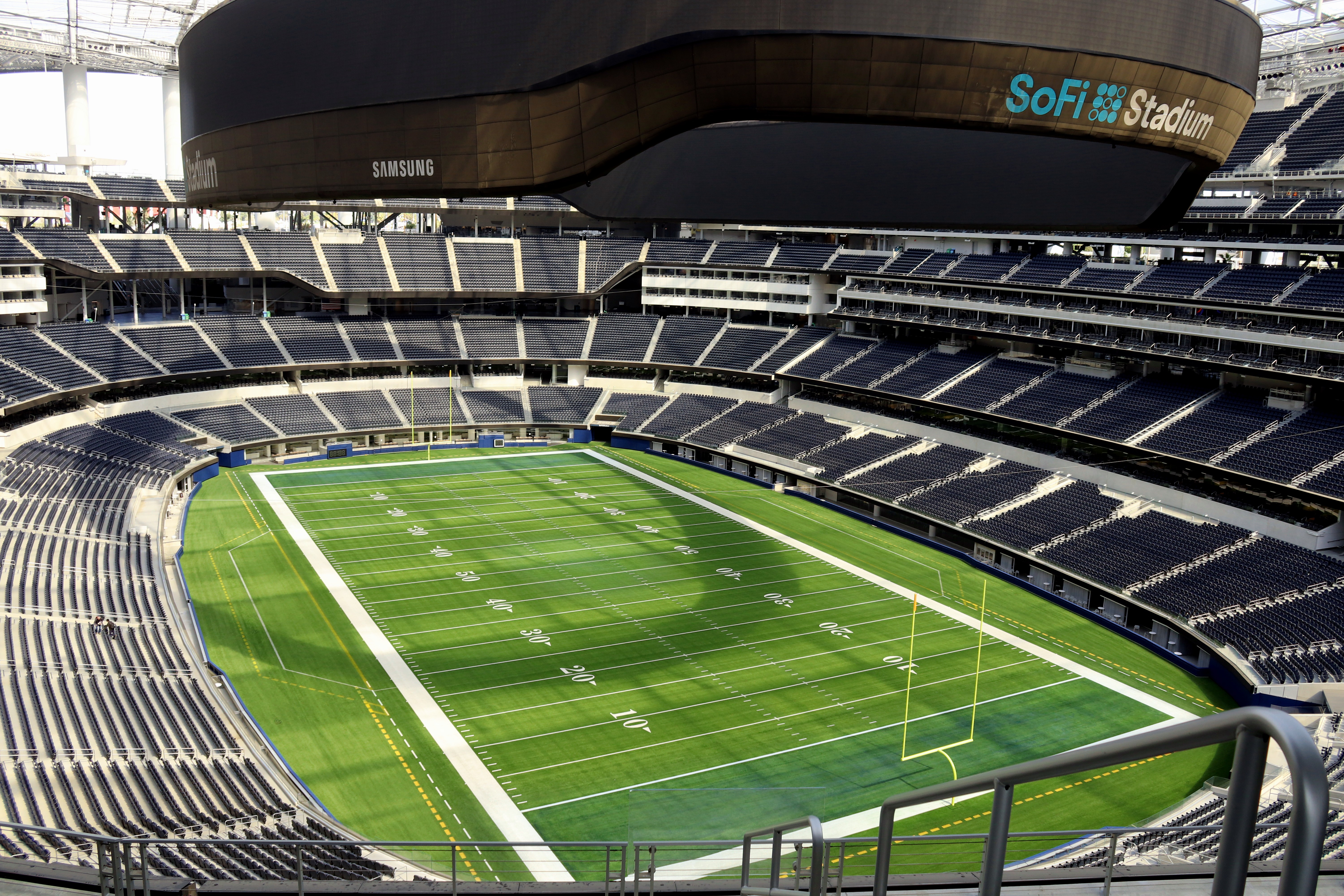
Large-market host cities are not just backdrops. They are central to how supporters, broadcasters, and neutral readers imagine the tournament before it starts. Los Angeles is a clear example of that dynamic.
A city like Los Angeles invites multiple layers of coverage at once: venue logistics, supporter movement, kickoff rhythm, and the way the tournament sits inside an already crowded sports market.
That combination makes venue-watch pages more useful than one-off stadium notes. They can carry service information, editorial analysis, and atmosphere reporting in the same file.
For a 2026 site, those pages are valuable because they stay relevant across the whole cycle, from the official schedule release to the final weeks before kickoff.
World Cup 2026 planning continues to be shaped by schedule logic, host-city logistics, and team preparation cycles. Keeping these topics connected helps readers compare timelines across North America, Europe, and Latin America without losing context.
For search users, practical answers matter most: when matches are played, how standings affect knockout routes, and what travel windows look like between venues. Strong editorial pages should combine official facts, clear internal links, and regularly refreshed updates.
This analysis is updated to support long-tail World Cup 2026 queries and to help readers move from a single headline into deeper explainers on fixtures, standings, teams, and tournament format.
A strong venue page should explain how a city will feel, not just where a match will be played.